The City of the Dead in Cairo: the Cemetery Where People Live
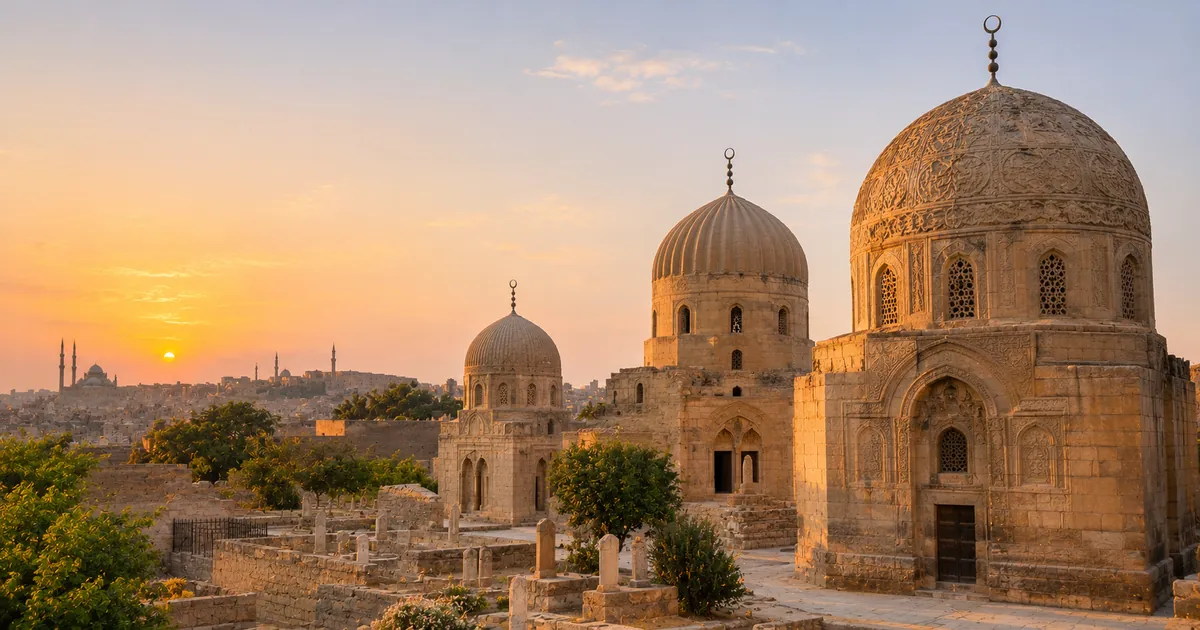
The City of the Dead is a place that standard tours skip, yet travellers often ask about it. It is a working cemetery, a residential district and a museum of Mamluk architecture all at once. Below: how it came to be, why people live there, what to see and how to visit the right way.
What is the City of the Dead
Along the eastern wall of medieval Cairo, below the Mokattam hills, stretches a vast necropolis. Egyptians call it al-Qarafa, “the cemetery”; foreigners call it the City of the Dead. Burials began here in the first centuries of Islam, and in the Mamluk era sultans built lavish mausoleums with mosques, madrasas and pilgrims’ hostels.
Why people live in a cemetery
Egyptian family tombs are courtyards with rooms where relatives gathered on days of remembrance, and caretakers lived there permanently. In the 20th century, as Cairo grew rapidly, other people began to settle in these rooms. Today there are streets, shops, schools and electricity, and many families have lived here for generations.
What to see in the City of the Dead
- The complex of Sultan Qaitbay (1474) — a masterpiece of Mamluk architecture with a carved stone dome. It is pictured on the Egyptian pound, today most often on the 1-pound coin.
- The khanqah of Faraj ibn Barquq — two huge domes and two minarets.
- The complex of Sultan Barsbay — with an elegant carved dome.
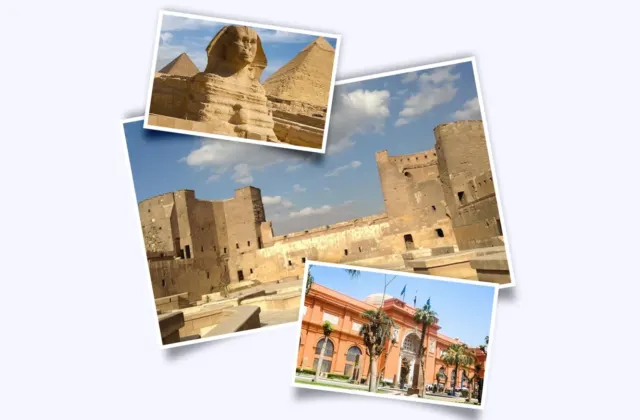
It is not the only place to see Mamluk Cairo: the Citadel of Saladin and the Islamic quarter with al-Muizz Street are close by. More about the Citadel in our article “The Cairo Citadel”.
Etiquette for visitors
The mausoleums are opened by their keepers, usually for a small tip — bring small Egyptian pounds. Morning is the best time: by midday the open streets are hot, and in the evening you should not walk around without a guide.
How to see the City of the Dead
The City of the Dead is not part of the standard day trips from the resorts, which focus on the pyramids and the museum. You can include it in a private Cairo tour or in “Untypical Cairo”, designed for those who have already seen the highlights.
Historical · Cairo
Private Guide in Cairo — Your Own Itinerary
- 8 hours
- Private
- On request
What else to see in the city — in our article “Cairo: what to see in 1–2 days”.